
Top 10 KPIs Every Small Business Should Track (and Why)
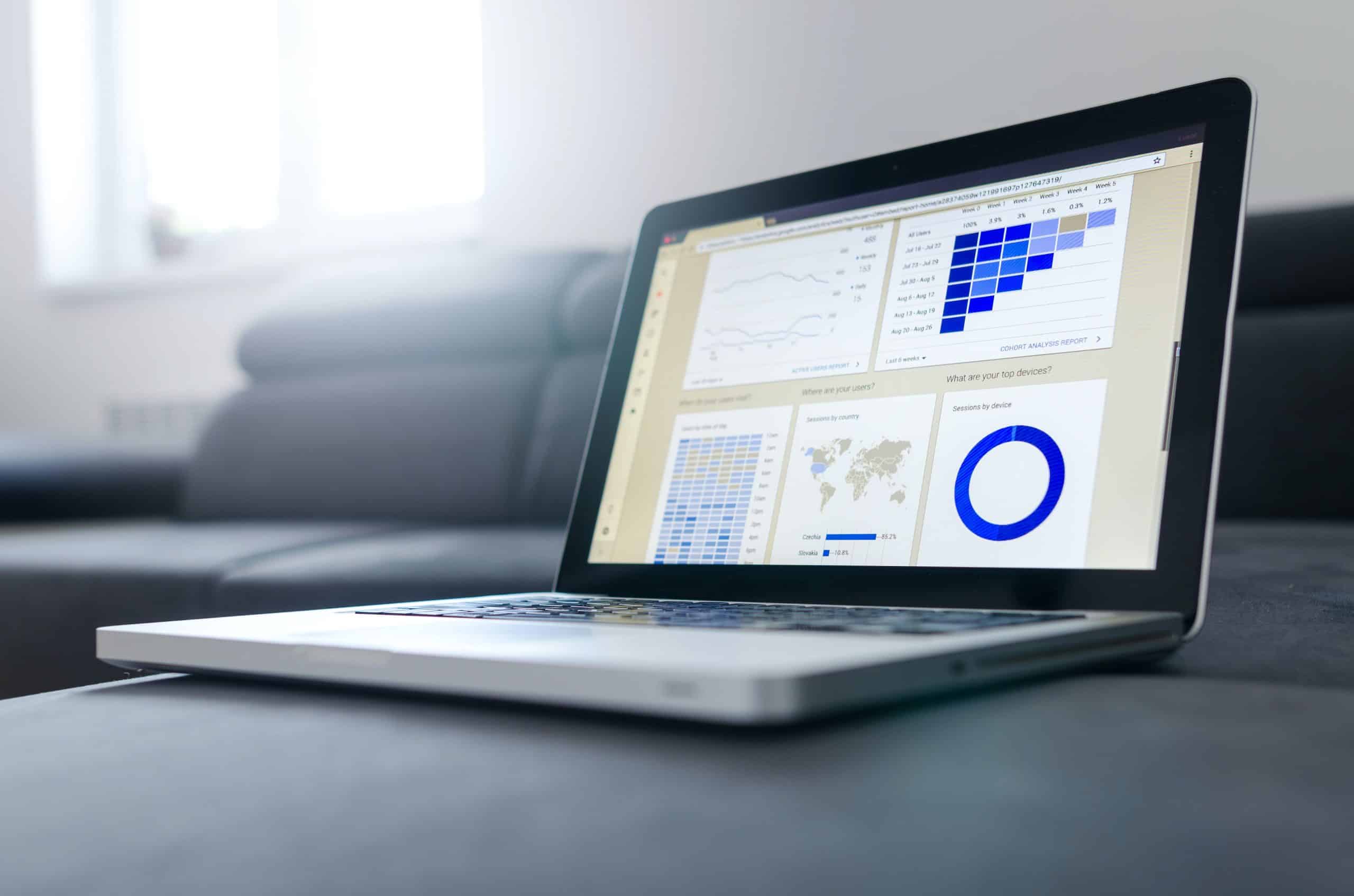
Running a small business often feels like juggling sales, staff, cash flow, customers, and growth plans, all at once. Many business owners end up making big decisions based on gut instinct rather than data.
That’s where Key Performance Indicators (KPIs) come in.
KPIs help you understand how your business is really performing. When tracked properly, they give you clarity, improve decision-making, and support sustainable business growth.
Below are the top 10 KPIs every small business should track, along with why they matter.
What Are KPIs in Small Business?
KPIs (Key Performance Indicators) are measurable values that show how effectively your business is achieving its goals. For small businesses, KPIs typically focus on:
- Profitability
- Cash flow
- Efficiency
- Growth
Tracking the right KPIs rather than everything is key.
1. Revenue Growth Rate
What it measures:
How quickly your business income is increasing over time.
Tracking revenue growth monthly or year-on-year helps you understand:
- Whether sales strategies are working
- How predictable your growth is
- When it’s safe to invest or scale
Why it matters:
Revenue growth is one of the most important KPIs for small business success, but growth without context can hide inefficiencies.
2. Gross Profit Margin
What it measures:
The profitability of your products or services before overheads.
Formula:
(Revenue – Cost of Sales) ÷ Revenue
Why it matters:
Low gross margins often point to pricing issues, rising supplier costs, or inefficiencies in delivery.
3. Net Profit Margin
What it measures:
How much profit your business keeps after all expenses.
Why it matters:
This KPI shows whether your business model is actually sustainable — not just busy.
4. Cash Flow
What it measures:
The movement of money in and out of your business.
Why it matters:
Cash flow is one of the most critical KPIs for UK small businesses. Even profitable companies can fail due to poor cash flow management.
5. Accounts Receivable Days (Debtor Days)
What it measures:
How long customers take to pay your invoices.
Why it matters:
Late payments put pressure on cash flow and increase reliance on overdrafts or loans.
6. Customer Acquisition Cost (CAC)
What it measures:
The total cost of acquiring a new customer, including marketing and sales spend.
Why it matters:
If customer acquisition costs are too high, growth becomes expensive and risky.
7. Customer Lifetime Value (CLV)
What it measures:
The total revenue a customer generates over their relationship with your business.
Why it matters:
Comparing CLV to CAC helps assess whether your marketing spend delivers long-term value.
8. Operating Expenses Ratio
What it measures:
The proportion of revenue spent on operating costs.
Why it matters:
This KPI highlights whether overheads are increasing faster than revenue.
9. Revenue per Employee
What it measures:
How much revenue each employee generates on average.
Why it matters:
This KPI supports smarter hiring decisions and productivity planning.
10. Break-Even Point
What it measures:
The level of sales required to cover all fixed and variable costs.
Why it matters:
Knowing your break-even point helps with pricing, forecasting, and growth planning.
How Often Should Small Businesses Track KPIs?
KPIs are most effective when reviewed:
- Monthly (at minimum)
- Alongside management accounts
- With clear explanations and context
Tracking KPIs without interpretation often leads to confusion rather than clarity.
How Deciphr Supports KPI Tracking & Financial Insight
At Deciphr, we help UK small businesses move beyond basic compliance and into clear, actionable financial insight.
Through tailored management accounts and advisory support, we help you:
- Identify the most relevant KPIs for your business
- Understand what the numbers are telling you
- Make confident, data-led decisions
👉 Get in touch with Deciphr to take control of your business finances.